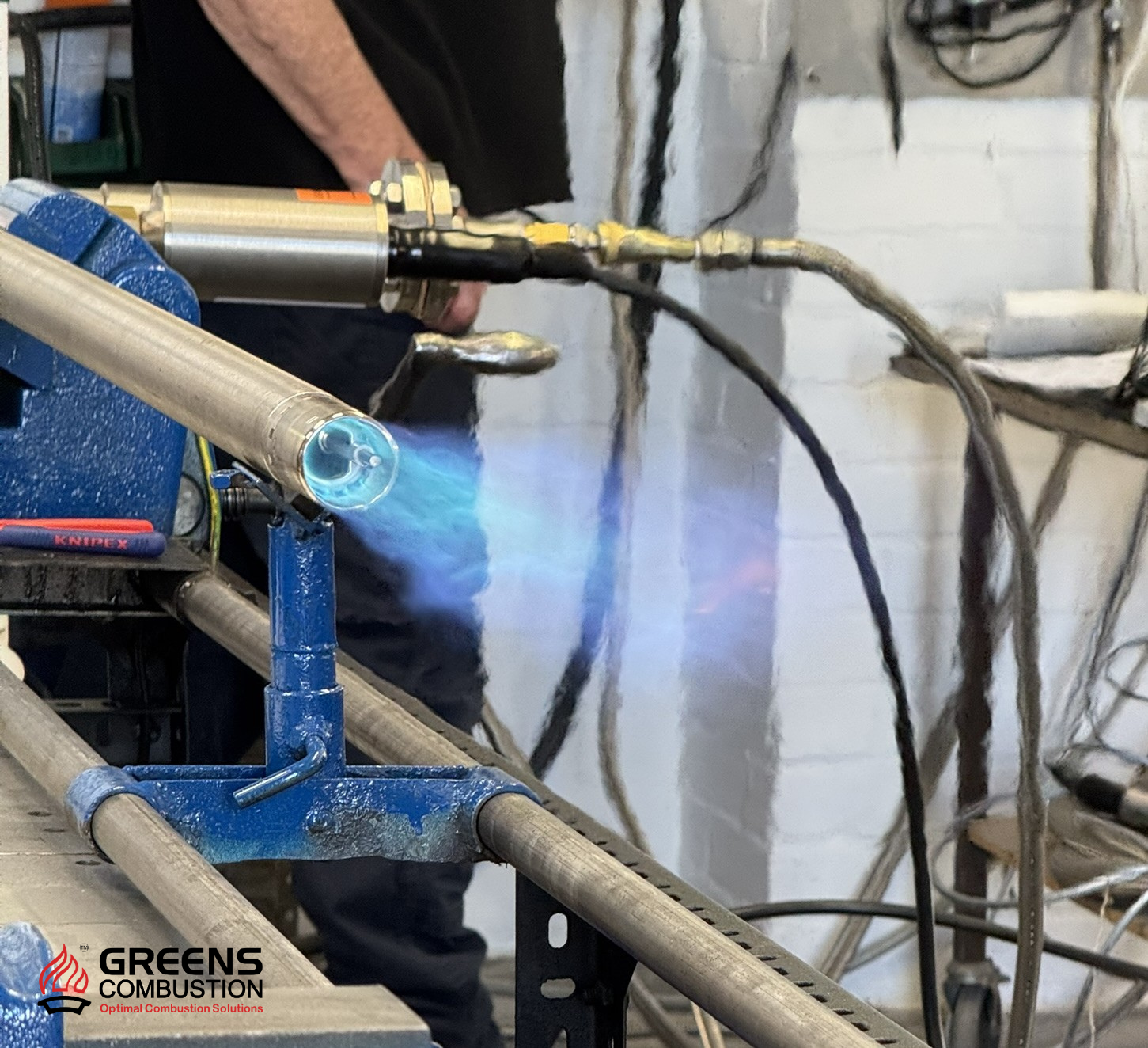
Greens Combustion, in partnership with Igniters Combustion Engineering Ltd, has achieved a significant milestone in their mission to deliver cutting-edge ignition solutions for the global energy sector. The two companies recently completed Factory Acceptance Testing (FAT) for a suite of advanced ignition systems, marking a key step in a modernisation programme for a major refinery in South Africa. This project underscores their shared commitment to enhancing operator safety, minimising downtime, and advancing refinery technology.
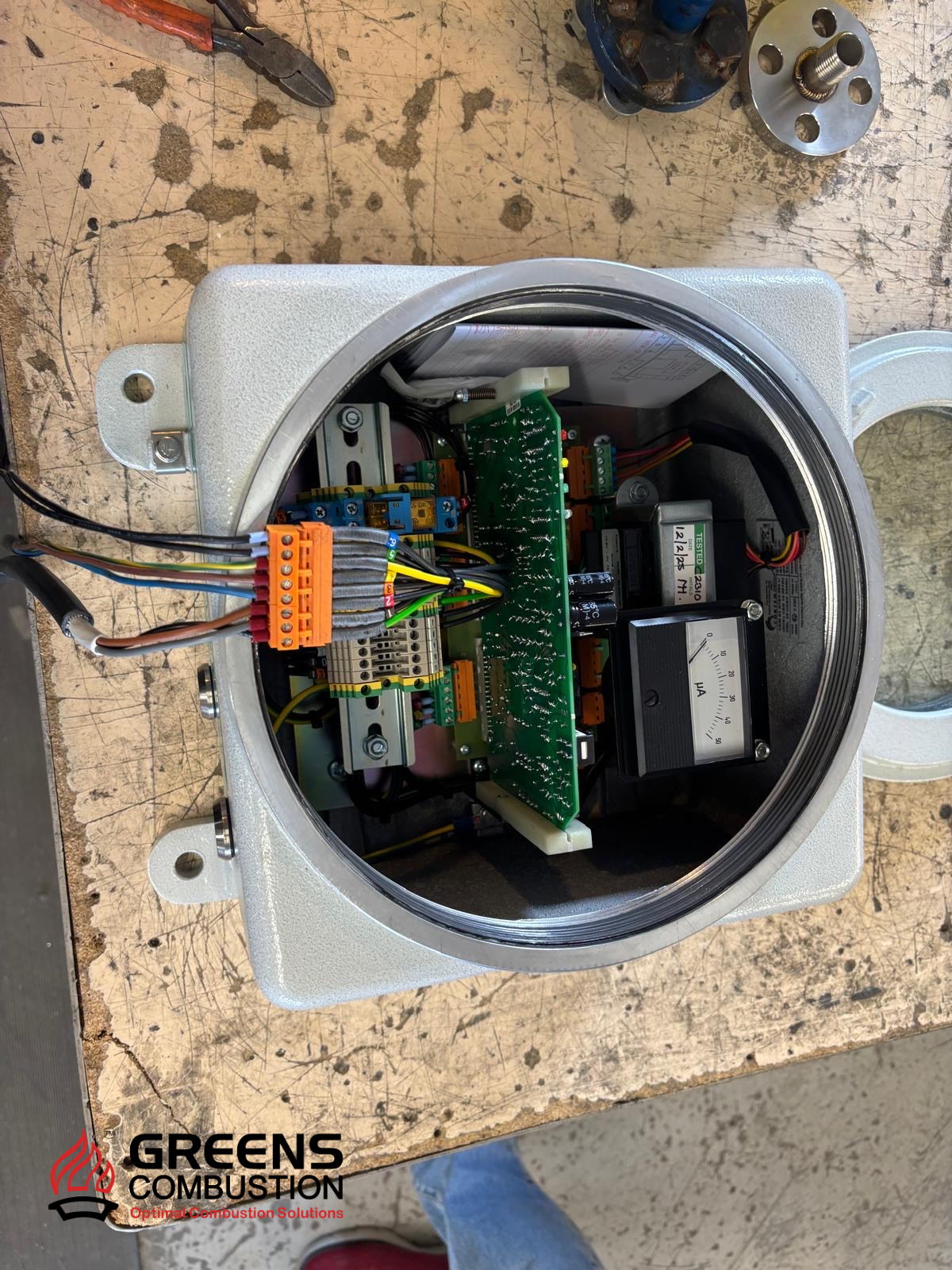
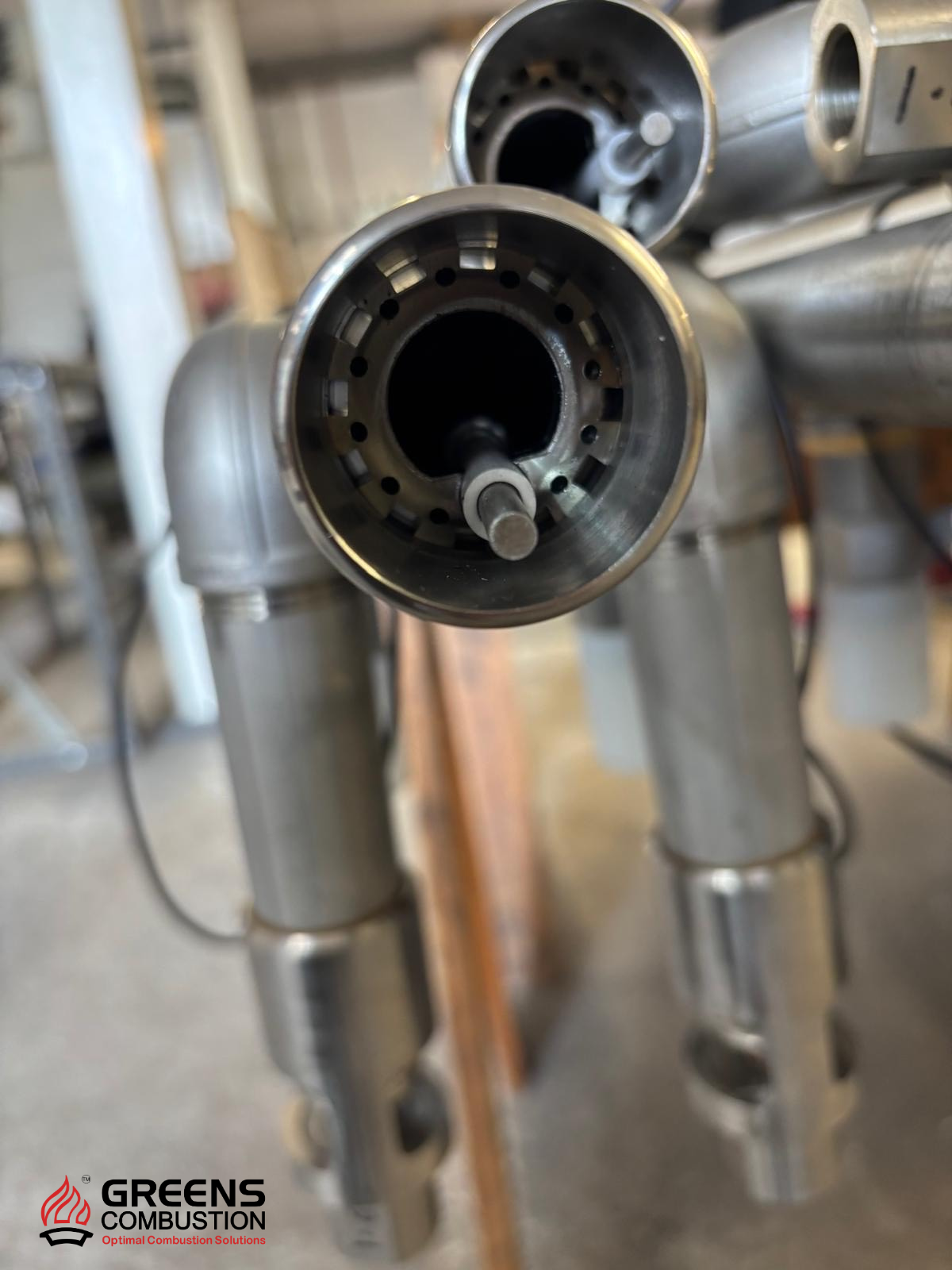
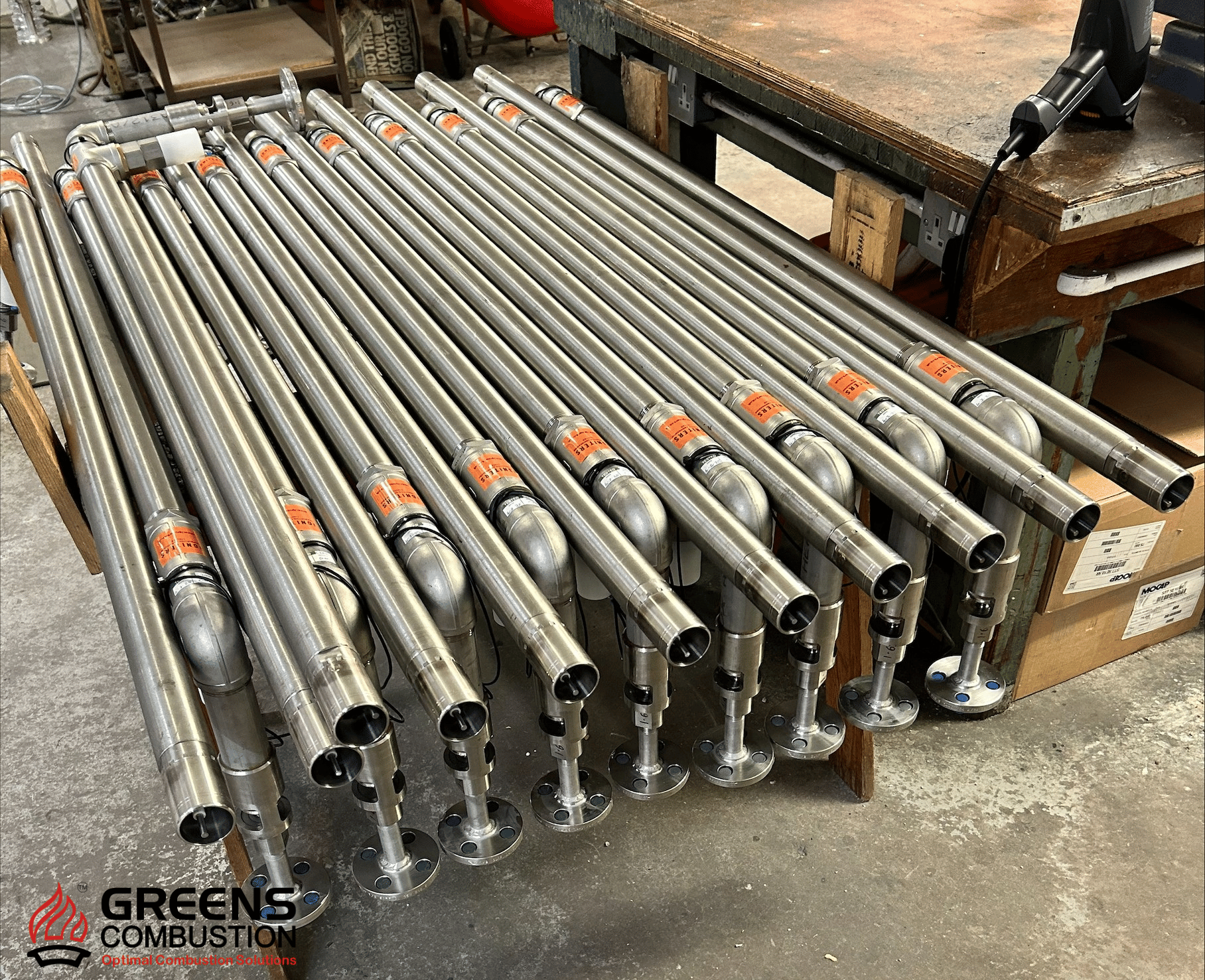
At the heart of this achievement is the flagship R250E pilot torch, equipped with Exd ignition coils and CU7/3B control units. These control units feature remote ignition and ionisation detection, offering precise and reliable performance. The suite also includes custom-designed front plates for burner mounting and next-generation flame detectors, tailored to meet the refinery’s specific operational needs. Together, these components represent a leap forward in ignition technology, designed to ensure robust performance in demanding environments.
The systems are part of a broader initiative to modernise the South African refinery, prioritising safety and efficiency. By integrating state-of-the-art technology, Greens Combustion and Igniters Combustion Engineering Ltd aim to reduce operational risks and enhance the refinery’s overall performance, setting a new standard for reliability in the industry.
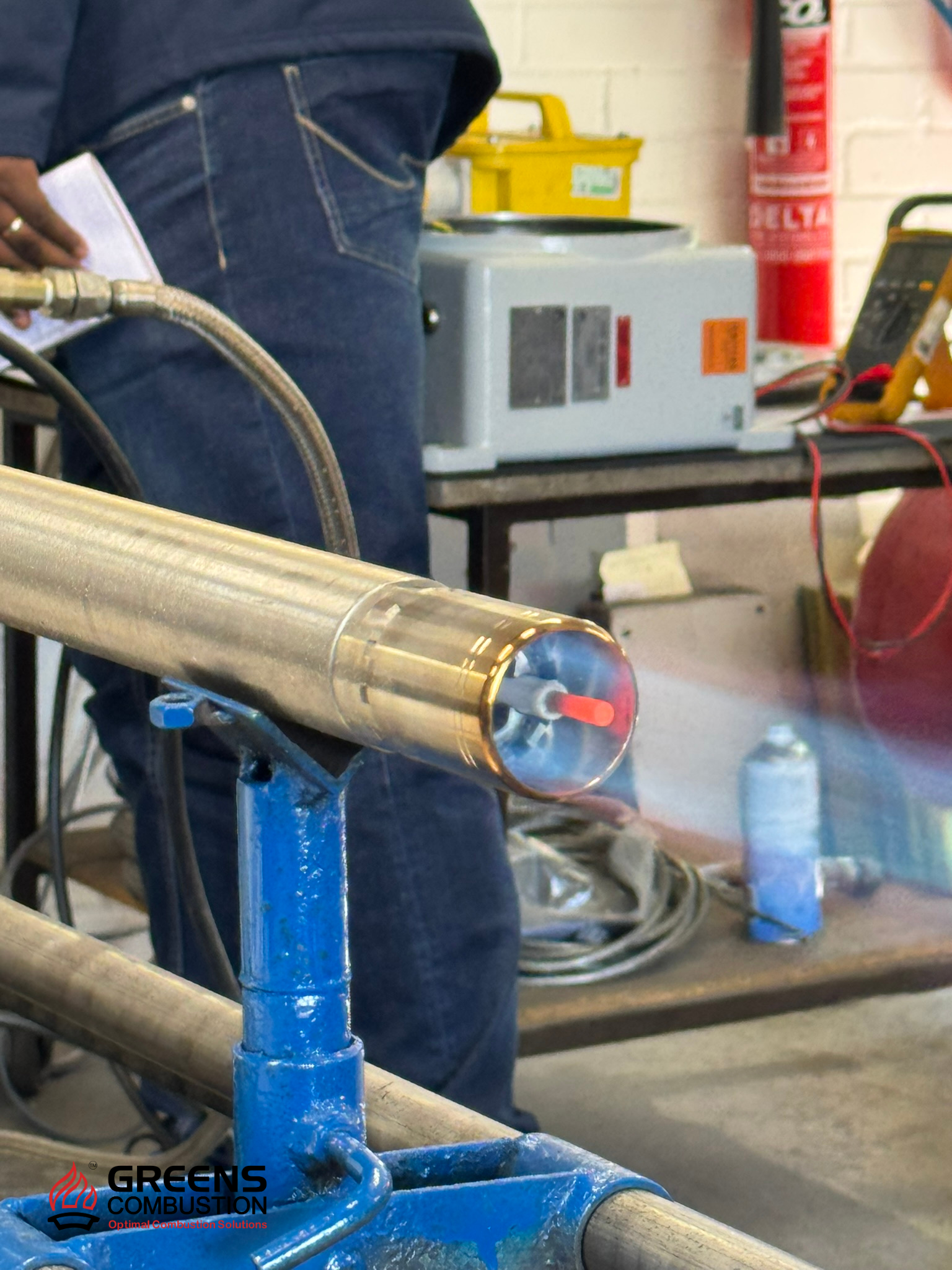
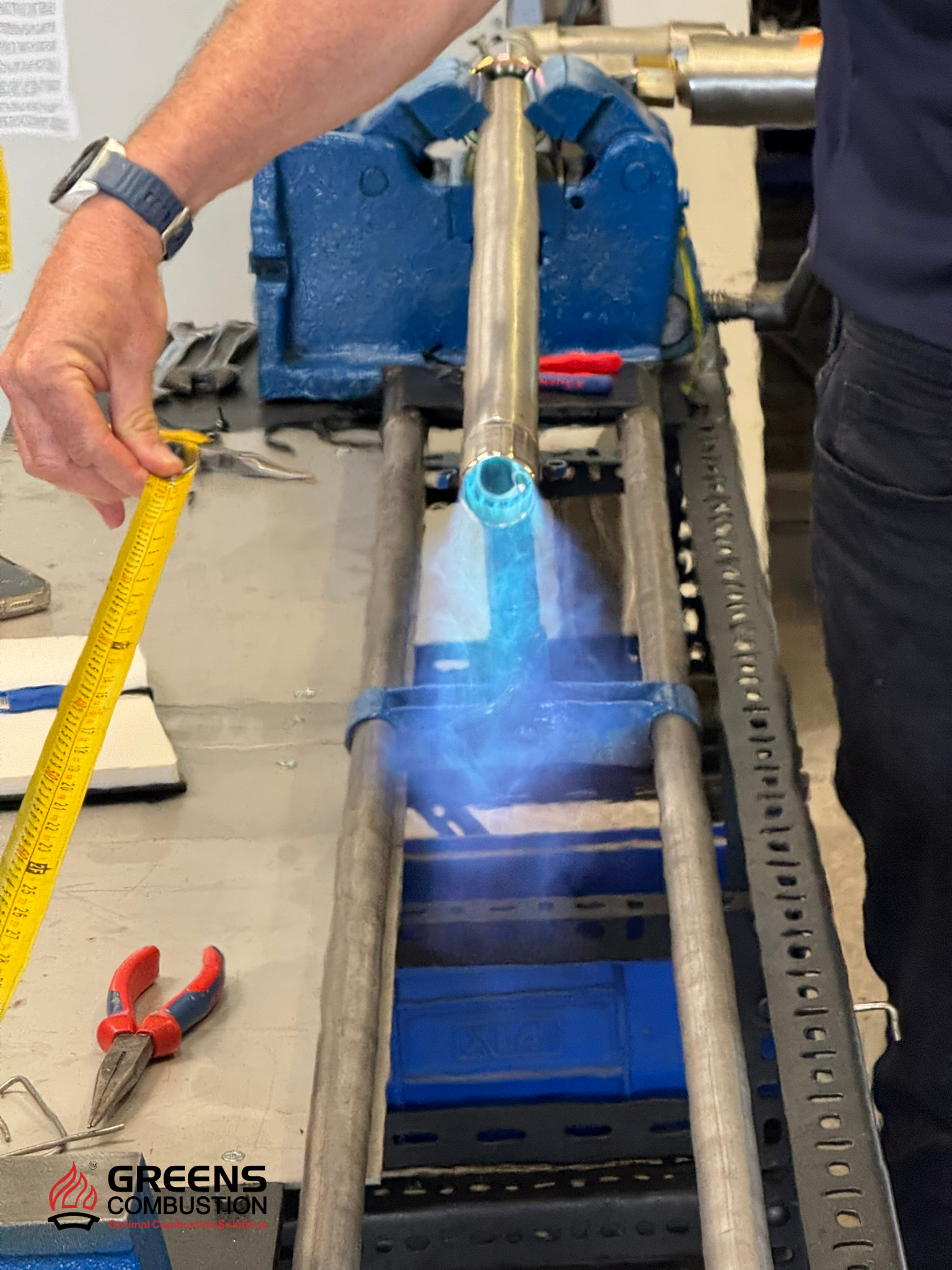
The FAT process was conducted with meticulous attention to detail, reflecting the high standards of both companies. The client, eager to witness the systems’ capabilities firsthand, observed the testing process, which was supported by Igniters Combustion Engineering Ltd’s technical expertise. Each pilot system underwent rigorous bench testing and validation to ensure it met the refinery’s stringent requirements.
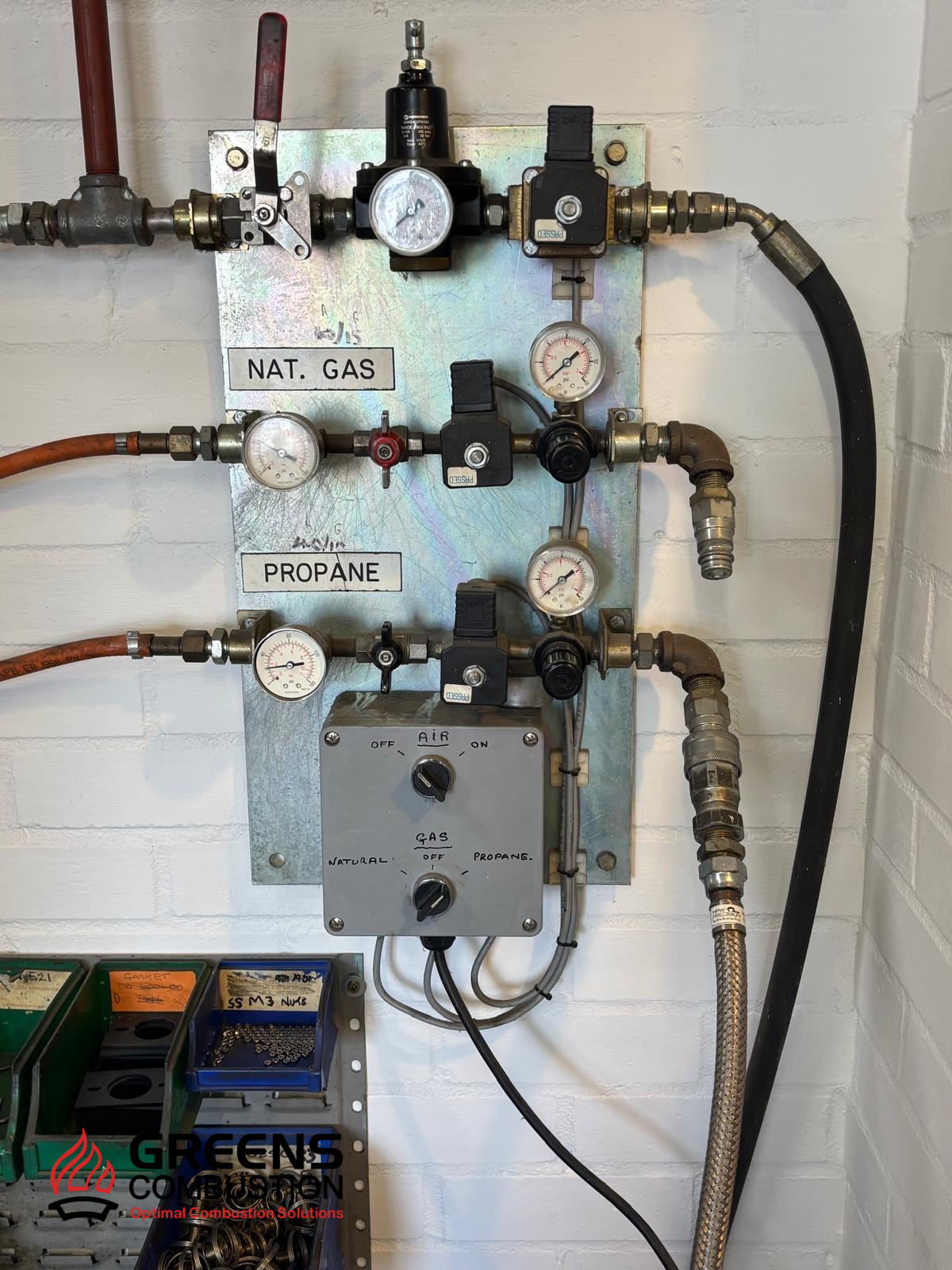
To simulate real-world conditions, the systems were tested under varied pressures and with different fuel types, including propane and natural gas. A particularly challenging test involved subjecting the pilot systems to an excessive air supply, a scenario that could potentially extinguish a flame. Remarkably, the R250E pilot torch remained stable, proving its resilience and reliability even in adverse conditions. These results validated the systems’ design and performance, giving the client confidence in their suitability for the refinery’s modernisation programme.
The successful FAT is a testament to the strong collaboration between Greens Combustion and Igniters Combustion Engineering Ltd. By combining their expertise in combustion engineering and ignition technology, the two companies have delivered a solution that meets the refinery’s needs while pushing the boundaries of innovation. This project builds on their ongoing efforts to provide robust, state-of-the-art ignition systems that support operational excellence across the energy sector.
The delivery of these systems to the South African refinery marks another milestone in Greens Combustion and Igniters Combustion Engineering Ltd’s commitment to advancing refinery technology. Their focus on safety, reliability, and performance ensures that clients receive solutions that not only meet but exceed expectations, paving the way for safer and more efficient operations.
As the energy industry continues to evolve, Greens Combustion and Igniters Combustion Engineering Ltd remain at the forefront of innovation, delivering solutions that address the challenges of modern refineries. The successful completion of this FAT reinforces their position as trusted partners in the global energy sector, dedicated to driving progress through advanced technology and operational excellence.
With the ignition systems now validated and ready for despatch, the South African refinery is poised to benefit from enhanced safety and reduced downtime, setting a new benchmark for refinery modernisation. Greens Combustion and Igniters Combustion Engineering Ltd look forward to continuing their partnership, delivering innovative solutions that power the future of the energy industry.








.png)