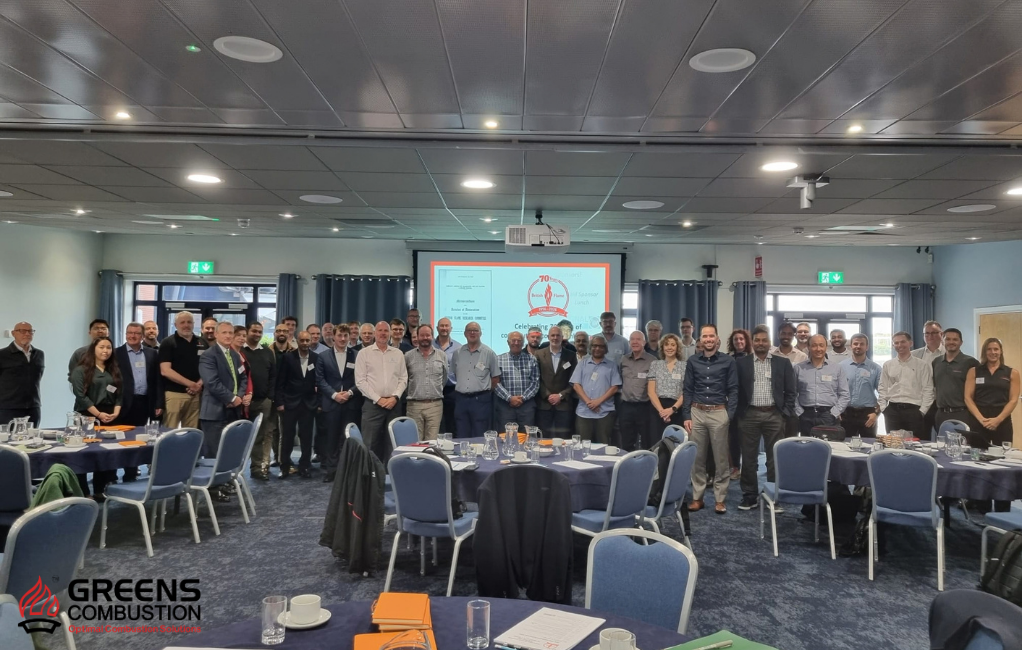
We’ve finally caught our breath after the buzz of Flame Day 2026, and there was certainly plenty to talk about!
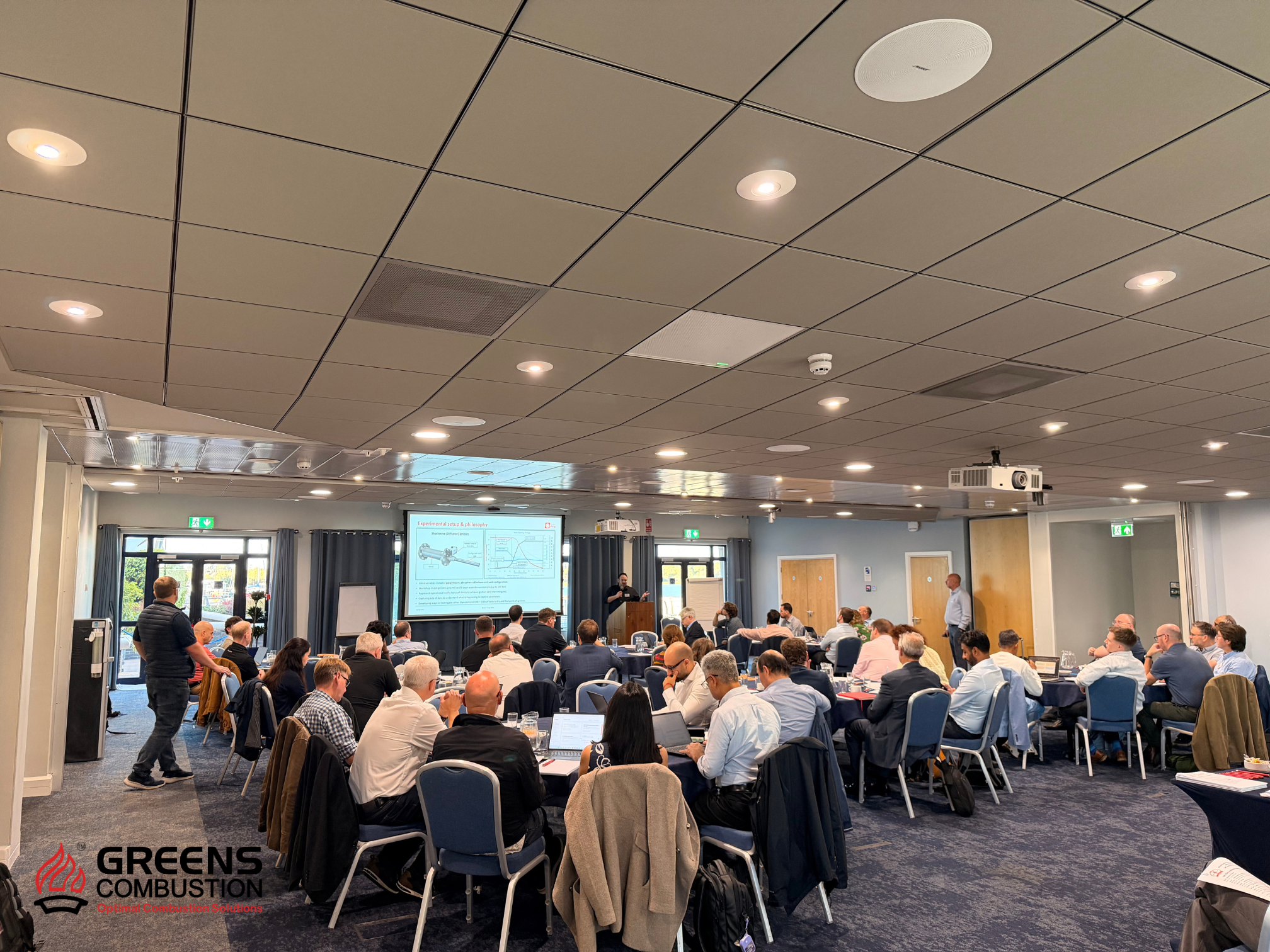
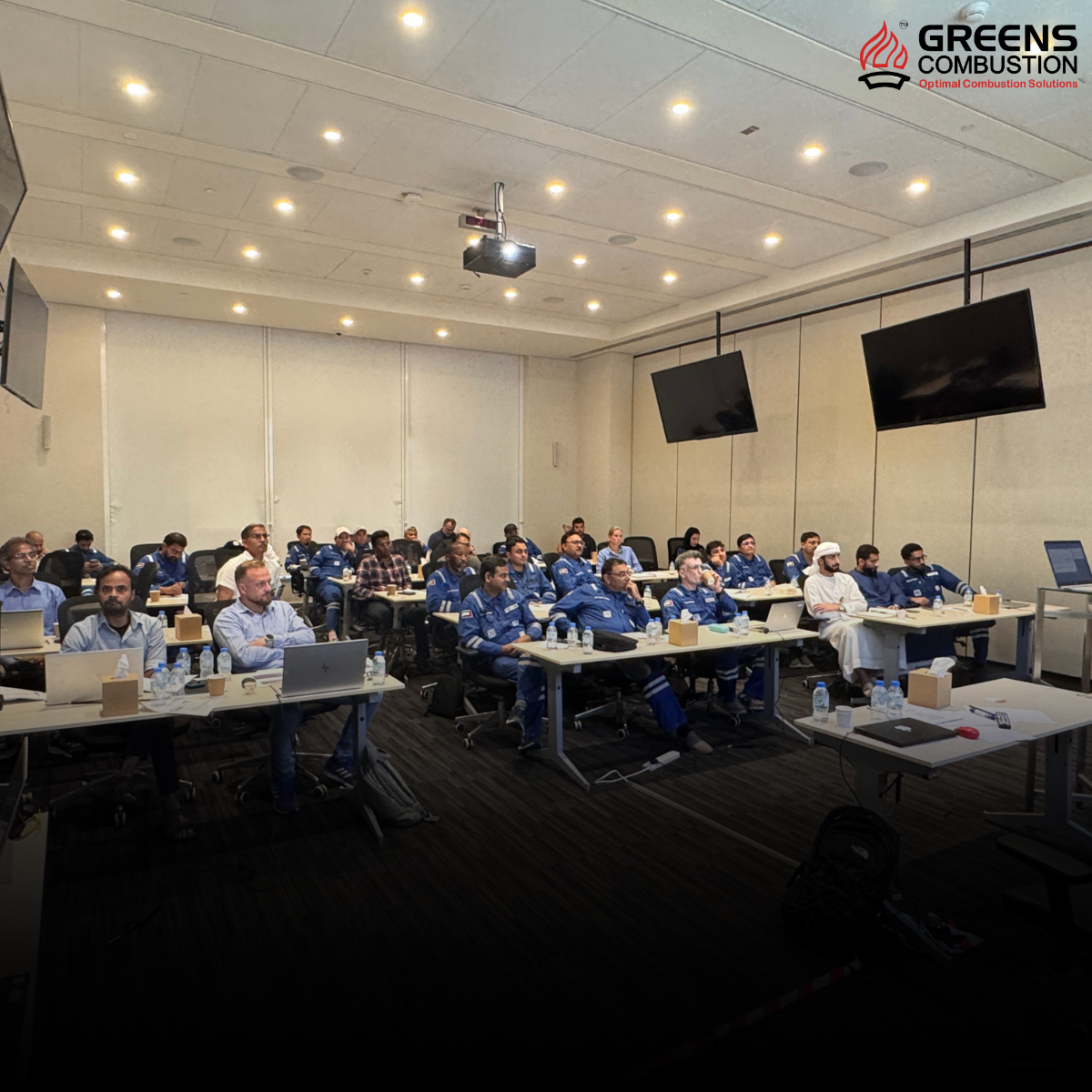
On the 30th September and 1st October, we joined colleagues from across the combustion industry at the RNLI College in Poole for two days of presentations, conversations and catching up with familiar faces. With the event taking place just a short distance from our headquarters, it was a pleasure to have it all on our doorstep.
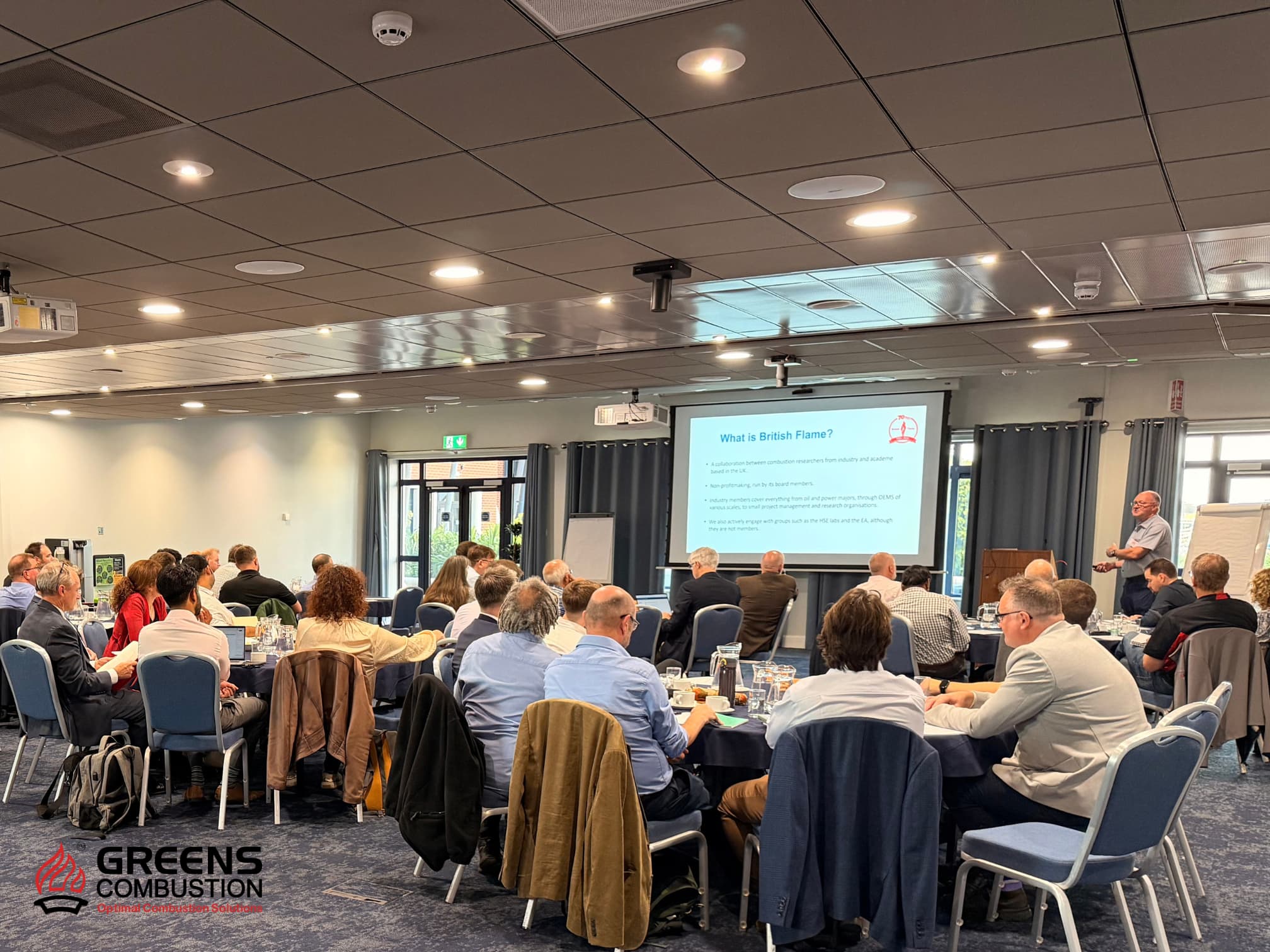
This year’s theme, “Safe, Clean Combustion in Uncertain Times”, brought together a wide range of topics, from alternative fuels and decarbonisation to safety, emissions monitoring and flare technology. The event also marked British Flame’s 70th anniversary, adding another reason to celebrate the people and knowledge behind the organisation.
The first day explored the changing landscape for combustion, with sessions on regulation, public perceptions of hydrogen and the UK hydrogen roadmap. Presentations also considered how waste regulations affect the development of fuels supporting the circular economy and net zero. The afternoon turned to decarbonising fuels, including hydrogen systems, the use of ammonia in boilers and the question of transporting hydrogen and ammonia in the form in which they are burned. Further talks explored replacing coal with waste straw in power generation and the use of drop-in fuels in industry. With so much experience in one room, there was plenty to learn and discuss between sessions too. We were pleased to sponsor the evening networking session, giving everyone more time to continue those conversations over drinks and dinner.
Day two began with safety considerations for alternative fuels, covering hydrogen ignition risk and the safety of replacement domestic fuels. The programme then explored artificial intelligence and instrumentation, with presentations on AI’s impact on biofuels, using gas analysis to measure adiabatic flame temperature, and the practical benefits of continuous VOC monitoring for thermal oxidisers. Together, these sessions offered plenty of food for thought on how combustion systems can be understood, monitored and operated as fuels and technologies develop.
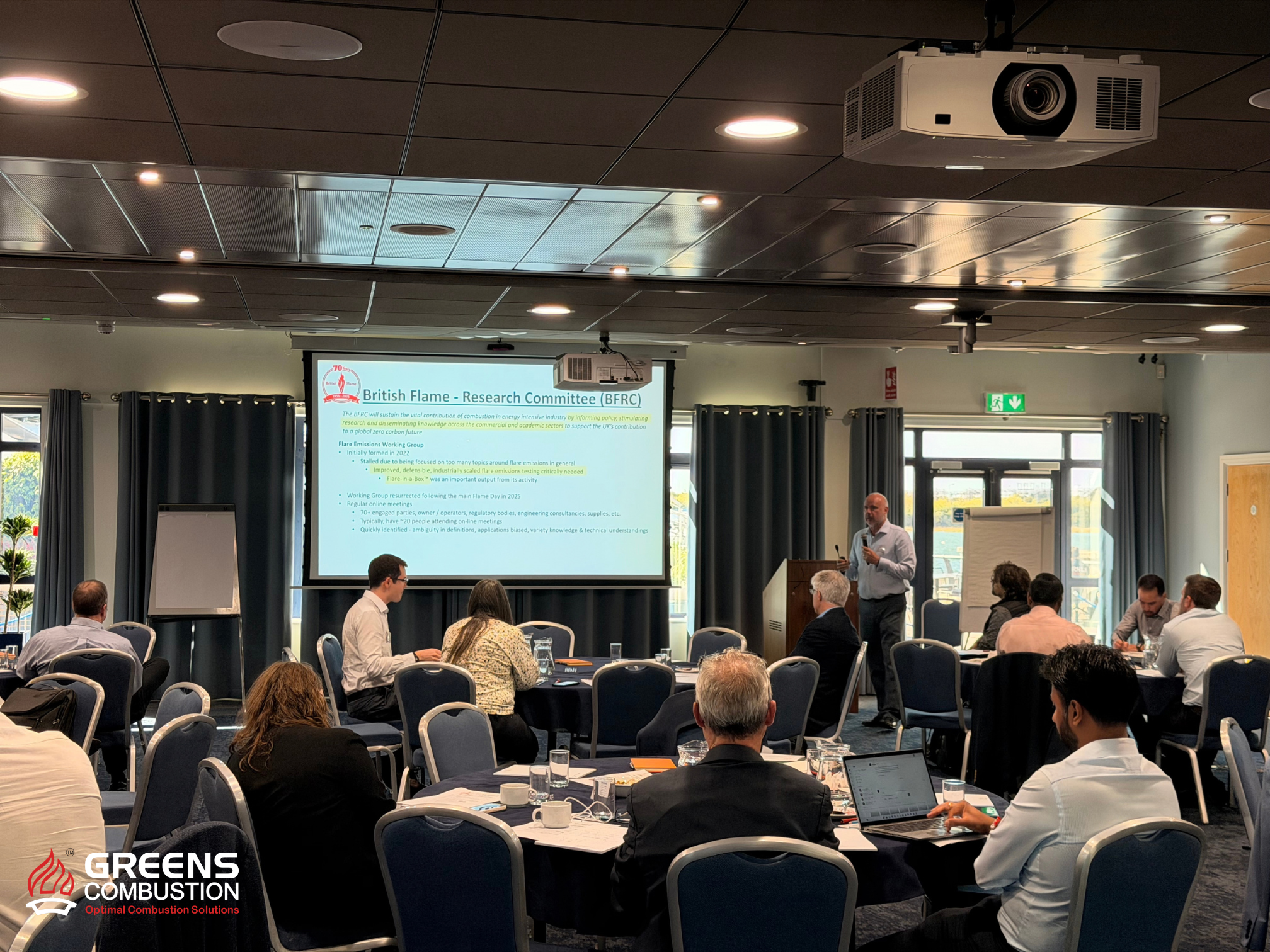
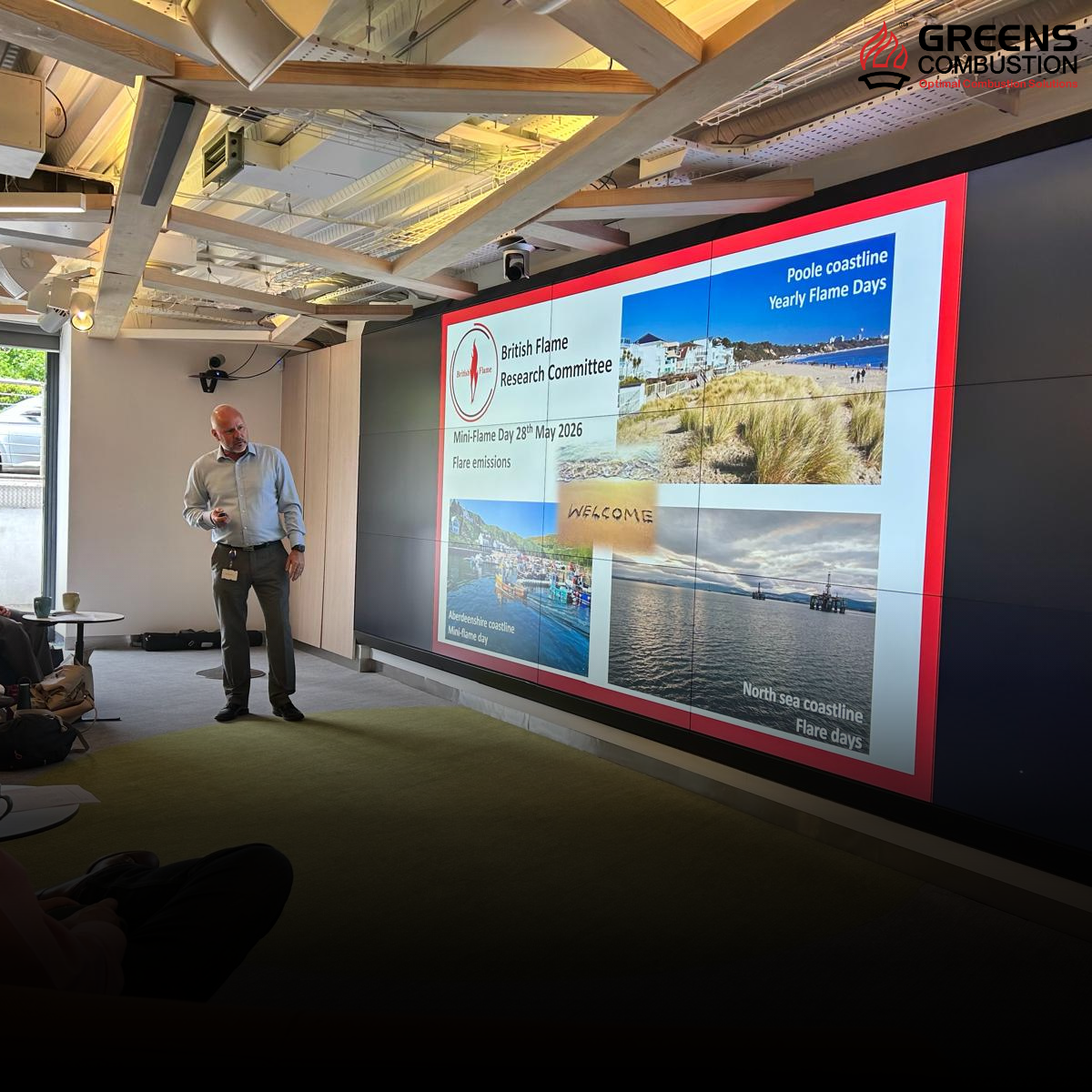
Our Managing Director, Richard Withnall, opened the afternoon flare session with an update on the BFRC Flare Emissions Working Group and an introduction to the Greens contribution.
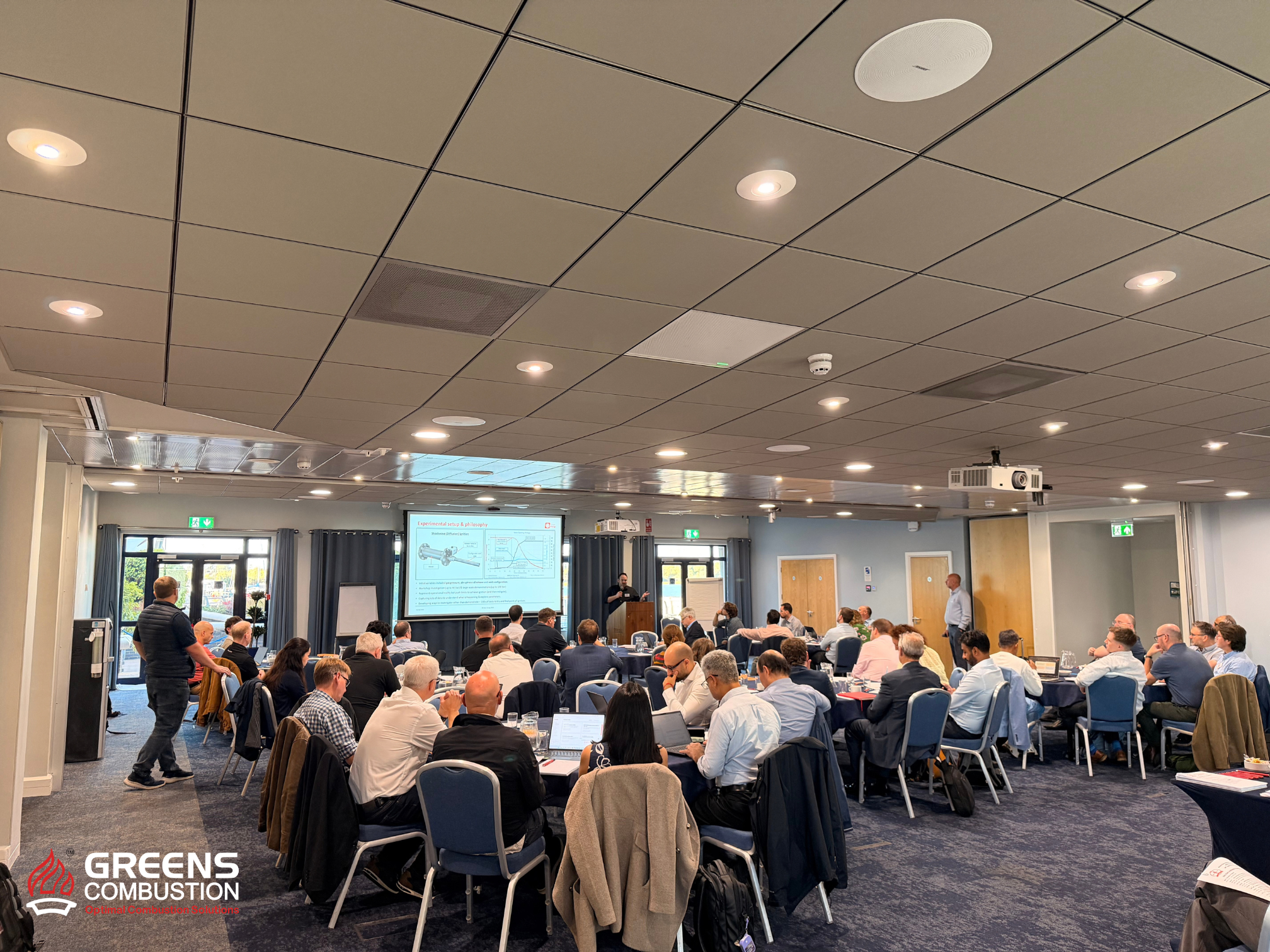
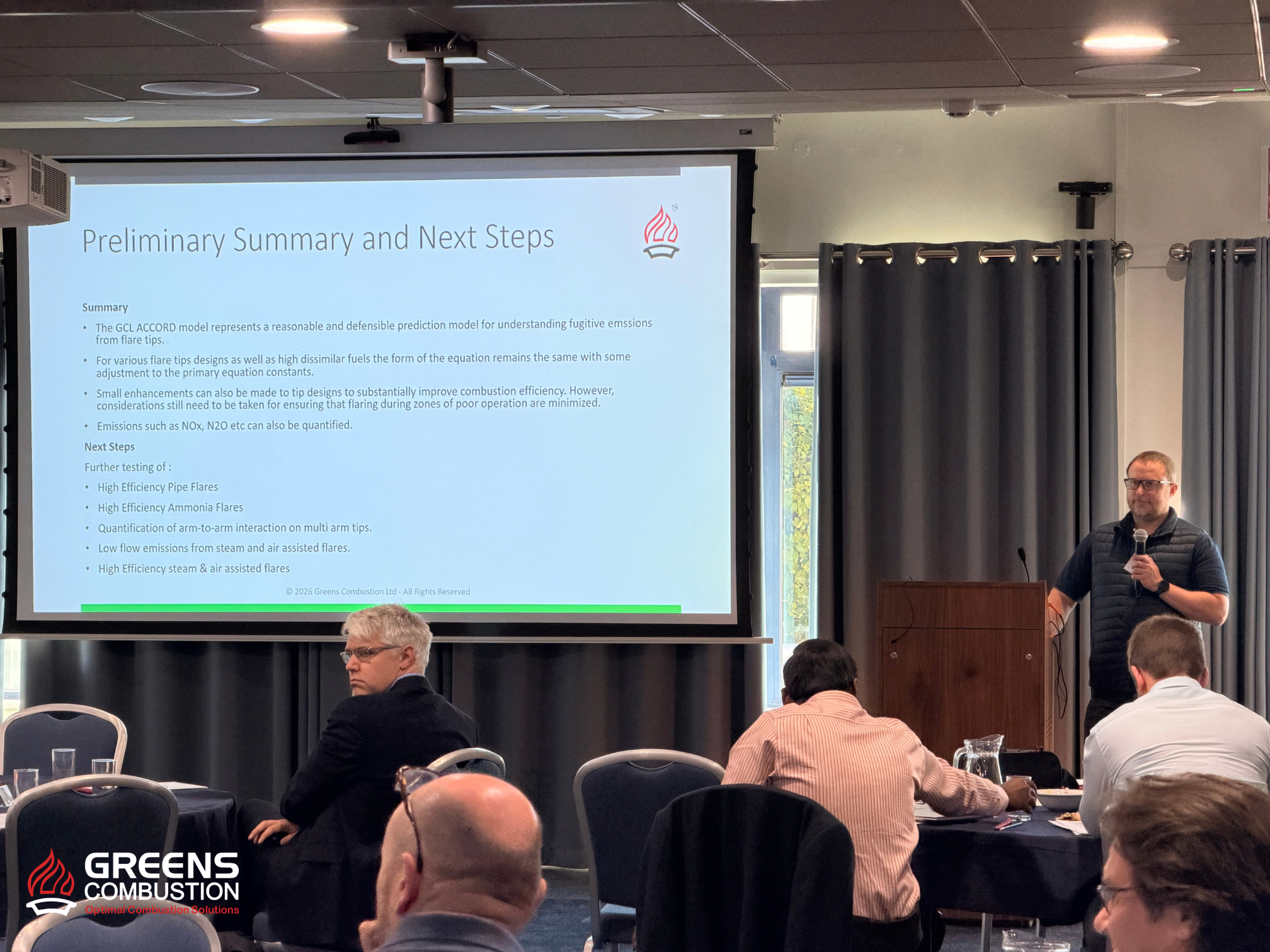
Simon Kretzschmar then presented on next-generation flare system enhancements for defensible emissions, discussing mitigation and reporting. The session also included a feasibility study on space-assisted hydrogen leak detection and its potential application to hydrogen flaring.
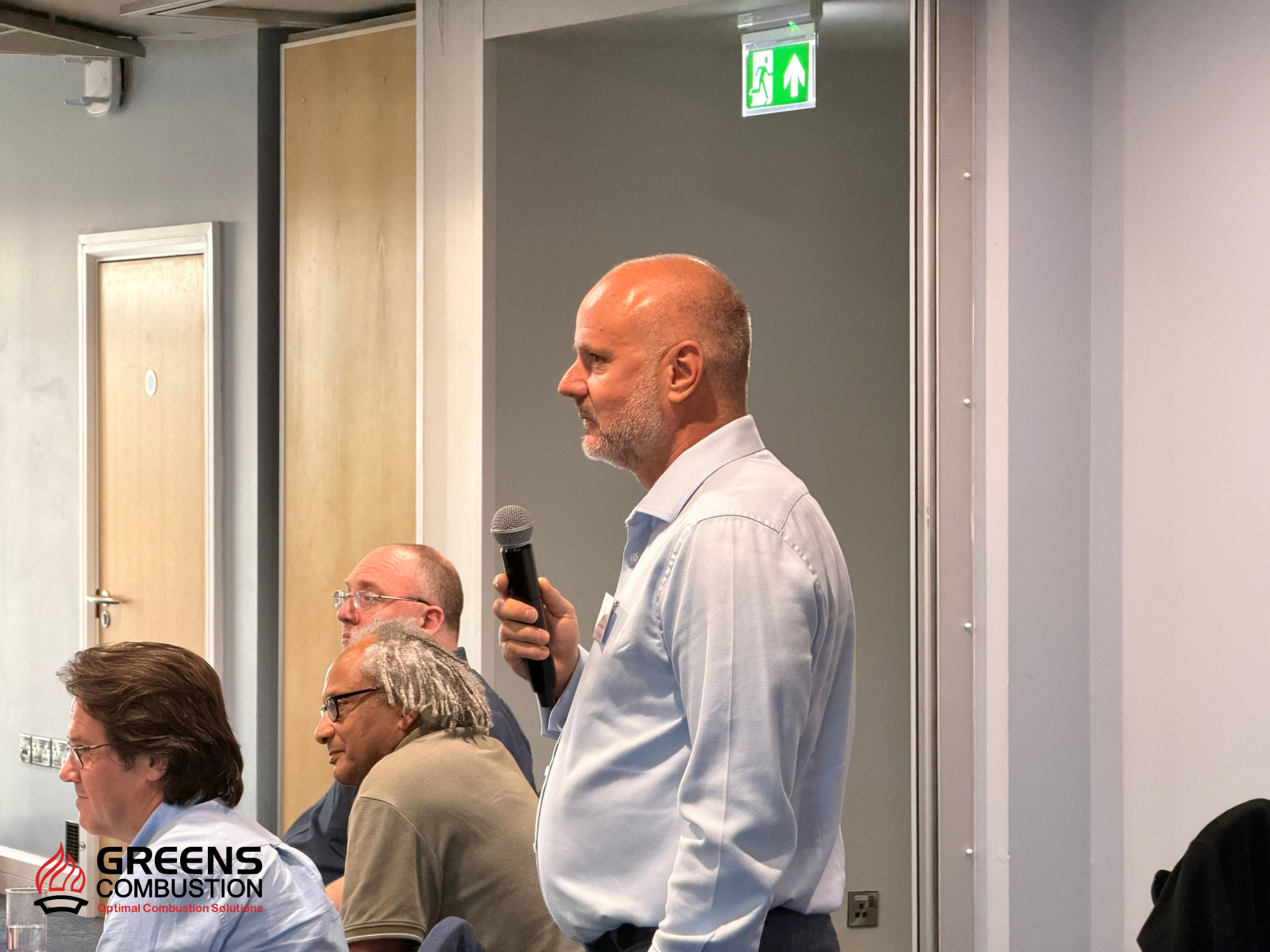
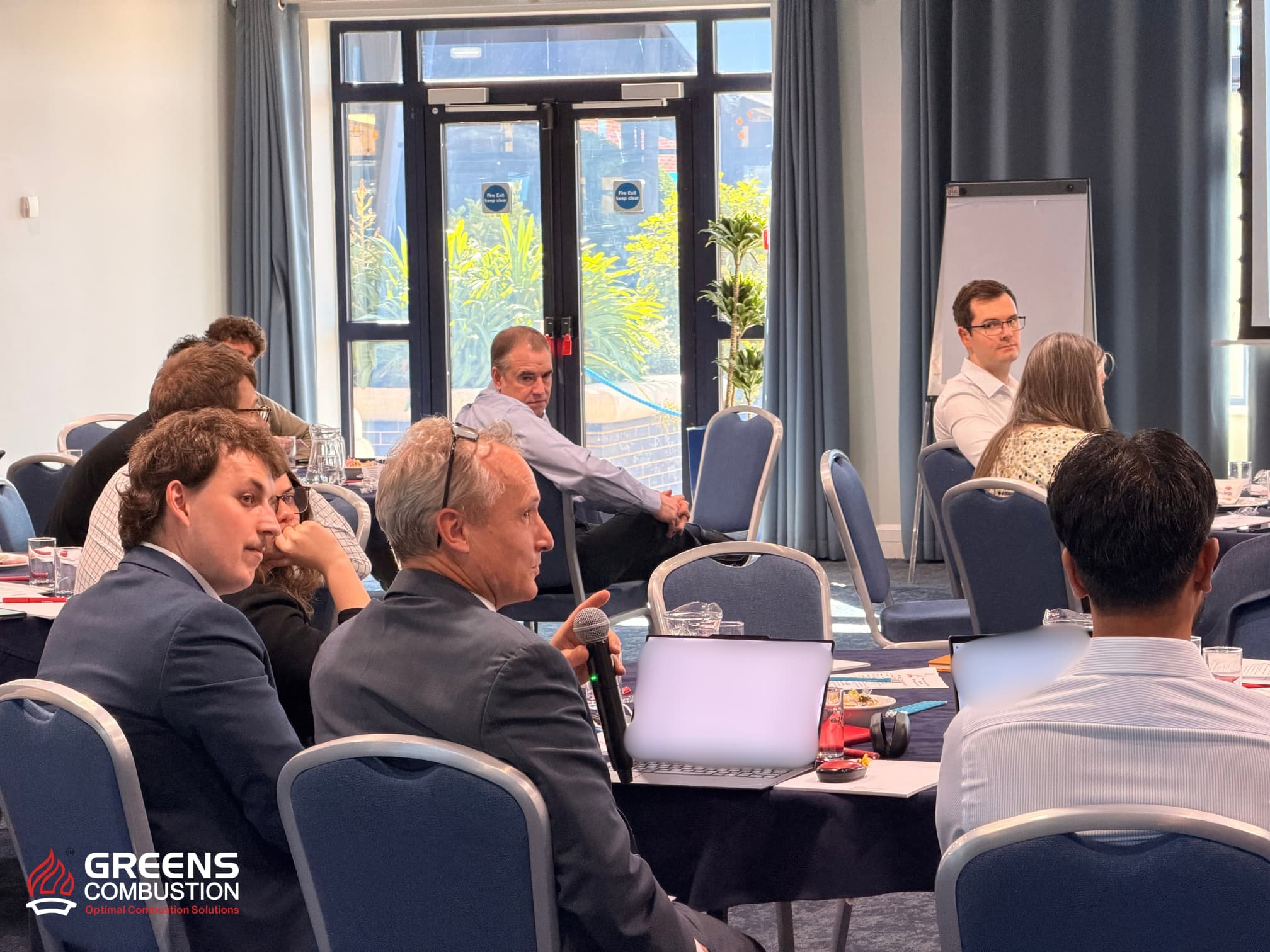
Beyond the presentations, it was lovely to catch up with familiar faces and meet others working across the industry. The conversations over coffee and throughout the evening were very much part of what made the two days so enjoyable.
Thank you to British Flame for bringing everyone together, and to all the speakers for sharing their knowledge, experience and findings. We thoroughly enjoyed being part of Flame Day 2026 here in Poole.
.jpg)
.jpg)
.jpg)

.png)

.png)